
Craftsman M110 Lawn Mower Manual: A Comprehensive Guide
Welcome! This manual details setup, operation, maintenance, and troubleshooting for your Craftsman M110․ Explore parts diagrams and warranty details for optimal performance․
Congratulations on selecting the Craftsman M110 lawn mower! This manual serves as your comprehensive resource, guiding you through every aspect of ownership – from initial assembly to long-term maintenance․ The M110 is designed for homeowners seeking a reliable and efficient mowing solution for medium-sized lawns․
This guide provides detailed instructions, safety precautions, and troubleshooting tips to ensure a safe and productive experience․ We’ll cover everything from understanding the mower’s components to performing essential maintenance tasks like blade sharpening and oil changes․ Familiarizing yourself with this manual will maximize the lifespan and performance of your Craftsman M110․

Before operating, carefully review the safety guidelines to prevent injury and ensure proper operation․ Remember to consult the parts diagram for accurate identification when ordering replacements․ Your satisfaction and safety are our top priorities!
Safety Precautions

Prioritize safety! Before operating your Craftsman M110, always disconnect the spark plug wire to prevent accidental starting․ Never operate the mower with missing or damaged safety shields․ Keep children and pets well clear of the mowing area during operation;
Wear appropriate safety gear, including eye protection and sturdy footwear․ Avoid loose clothing that could become entangled in moving parts․ Inspect the lawn for obstacles like rocks and debris before mowing, as these can become projectiles․
Never attempt repairs while the engine is running․ Allow the engine to cool completely before performing maintenance․ Refuel only when the engine is off and cool, in a well-ventilated area․ Be mindful of exhaust fumes – operate the mower outdoors only․ Always follow the manufacturer’s instructions for safe operation and maintenance․
Understanding the M110 Components
The Craftsman M110 features a robust engine powering a durable cutting deck․ Key components include the engine itself, responsible for power; the blade, which performs the cutting action; and the deck, housing and protecting the blade․ The height adjustment lever controls cutting height, while the grass catcher efficiently collects clippings․
Familiarize yourself with the operator controls – throttle, blade engagement, and steering․ Locate the oil fill and drain plugs for maintenance․ Identify the air filter housing and spark plug location․ Understanding these components is crucial for proper operation and upkeep․
The discharge chute directs clippings, and the mulching plug (if equipped) allows for finer grass recycling․ Regularly inspect all parts for wear and damage, ensuring optimal performance and longevity of your M110․

Assembly and Initial Setup
Prepare for use! This section guides you through unboxing, handle attachment, and grass catcher installation, ensuring your Craftsman M110 is ready to mow․
Unboxing and Parts Checklist
Carefully unpack your new Craftsman M110 lawn mower! Begin by inspecting the carton for any shipping damage․ Once opened, verify all components are present using the detailed parts checklist included within the box․ This checklist is crucial to ensure nothing is missing before assembly․
Key components to confirm include: the mower deck, engine assembly, handle, grass catcher frame and bag, wheels, blade, oil bottle, and operator’s manual․ Also, locate all hardware – bolts, nuts, washers – often packaged in a separate bag․ Compare the physical parts with the diagrams in the manual․
If any parts are damaged or missing, do not attempt assembly․ Immediately contact Craftsman customer support or the retailer where you purchased the mower․ Retain all packaging materials until you’ve confirmed all parts are accounted for and the mower is functioning correctly․ A complete inventory now saves potential headaches later!
Attaching the Handle
Securely attaching the handle is the first step in assembling your Craftsman M110․ Begin by aligning the handle with the designated mounting points on the mower deck․ These points are typically reinforced with metal brackets․ Insert the provided bolts through the handle and brackets, ensuring proper alignment before tightening․
Use the wrench included in the hardware kit to firmly tighten all bolts․ Do not overtighten, as this could damage the brackets or strip the threads․ Ensure the handle is stable and doesn’t wobble․ A properly secured handle is vital for safe and comfortable operation․
Double-check all connections after initial tightening․ Some models may feature adjustable handle heights; if so, confirm the desired height is set before fully securing the bolts․ A loose handle can compromise control during mowing, so prioritize a robust and stable attachment․
Installing the Grass Catcher
Attaching the grass catcher is essential for a clean mowing experience with your Craftsman M110․ Locate the grass catcher frame and align it with the rear opening of the mower deck․ The frame typically slides onto designated mounting hooks or slots․
Ensure the frame clicks or locks securely into place․ Next, stretch the grass bag over the frame, making sure it’s evenly distributed․ Some models have specific bag attachment points; consult the diagrams for correct placement․ A properly installed bag prevents grass clippings from scattering during operation․
Periodically check the bag’s attachment during use to prevent it from detaching․ A full bag will reduce mowing efficiency, so empty it frequently․ Proper installation and maintenance of the grass catcher contribute to a tidy lawn and optimal mower performance․
Operating Instructions
Beginner-friendly guidance ensures efficient use! Learn starting procedures, cutting height adjustments, and effective mowing techniques for a beautifully maintained lawn with your M110․
Starting the Engine
Before you begin, ensure the blade is disengaged and the parking brake is set․ Always check the oil and fuel levels before each use to prevent engine damage․ Begin by priming the engine – press the primer bulb several times until fuel is visible․ Next, move the choke lever to the ‘choke’ position, especially in colder temperatures, to enrich the fuel mixture for easier starting․
Grasp the bail handle firmly and pull the starter rope with a smooth, controlled motion․ Avoid pulling the rope out completely, and allow it to retract slowly․ If the engine doesn’t start after a few attempts, repeat the priming and choking steps․ Once the engine sputters or starts briefly, move the choke lever to the ‘run’ position․ Always maintain a firm grip on the bail handle during operation․ If the engine still fails to start, consult the troubleshooting section of this manual․
Adjusting Cutting Height
To adjust the cutting height on your Craftsman M110, locate the height adjustment levers on each wheel․ These levers typically have multiple positions, corresponding to different grass heights․ Ensure all four wheels are set to the same height for an even cut․ Before adjusting, always stop the engine and disconnect the spark plug wire for safety․
To raise the cutting height, move the levers forward; to lower it, move them backward․ The available height range is usually between 1․25 and 3․75 inches․ Start with a higher setting for the first cut, especially if the grass is tall, and gradually lower it to your desired height over subsequent mowings․ Regularly check the wheel height settings to ensure consistent performance․ Avoid scalping the lawn by selecting an appropriate height for your terrain․
Mowing Techniques for Optimal Results
Achieve a professional-looking lawn with these mowing techniques․ Overlap each mowing pass by a few inches to prevent scalping and ensure a consistent cut․ Vary your mowing pattern each time – horizontal, vertical, and diagonal – to promote upright grass growth and prevent soil compaction․ Avoid mowing wet grass, as it can clog the deck and result in an uneven finish․
For longer grass, raise the cutting height and mow at a slower pace․ Consider using the mulching feature, if equipped, to return nutrients to the lawn․ Sharp blades are crucial for a clean cut; dull blades tear the grass, leading to browning․ Regularly remove grass clippings from the deck to maintain optimal performance․ Always discharge clippings away from walkways and flowerbeds․

Maintenance and Care
Regular upkeep extends your M110’s life․ This section covers blade sharpening, oil changes, filter cleaning, and spark plug checks for peak performance․
Blade Sharpening and Replacement
Maintaining a sharp blade is crucial for a clean cut and healthy lawn․ Dull blades tear grass, leading to brown tips and increased disease susceptibility․ Regularly inspect your Craftsman M110’s blade for nicks, bends, or excessive wear․ Sharpening can often restore a dull blade to optimal condition, but severely damaged blades require replacement․
To sharpen, disconnect the spark plug wire for safety! Secure the blade and use a metal file or a blade sharpening tool․ Maintain the original angle of the blade’s edge․ Ensure both blades are balanced after sharpening – an unbalanced blade causes excessive vibration․
For replacement, consult the parts diagram to ensure you order the correct blade for your M110 model․ Always use genuine Craftsman replacement parts․ Tighten the blade bolt to the manufacturer’s specified torque to prevent loosening during operation․ A properly sharpened or replaced blade significantly improves mowing performance and lawn health․
Oil Change Procedures
Regular oil changes are vital for extending the life of your Craftsman M110 engine․ Clean oil reduces friction, dissipates heat, and prevents wear․ Refer to your owner’s manual for the recommended oil type and change interval – typically after every 25-50 hours of use, or annually․
To change the oil, warm the engine slightly (but not hot!)․ Disconnect the spark plug wire․ Locate the oil drain plug and position a drain pan underneath․ Remove the plug and allow the oil to drain completely․ Replace the drain plug and tighten securely․
Next, remove the oil fill cap and add the recommended amount of fresh oil․ Check the oil level with the dipstick, ensuring it’s within the ‘full’ range․ Properly dispose of the used oil at a recycling center․ Consistent oil changes ensure smooth engine operation and prevent costly repairs․
Air Filter Cleaning and Replacement
A clean air filter is crucial for optimal engine performance․ A dirty filter restricts airflow, reducing power and increasing fuel consumption․ Inspect the air filter regularly – ideally before each use, and certainly after mowing in dusty conditions․
To clean a foam air filter, remove it from the housing and wash it in warm, soapy water․ Rinse thoroughly and allow it to dry completely․ Once dry, lightly oil the filter with air filter oil before reinstalling․ For paper filters, gently tap it to remove loose debris․ Avoid using water or compressed air․
Replace the air filter when it becomes excessively dirty or damaged․ A new filter ensures proper airflow, protecting the engine and maintaining efficient operation․ Refer to your owner’s manual for the correct filter type and replacement instructions․
Spark Plug Maintenance
Maintaining the spark plug is vital for reliable engine starting and performance․ A fouled or worn spark plug can cause hard starting, misfiring, and reduced power․ Inspect the spark plug annually, or more frequently if you experience engine problems․
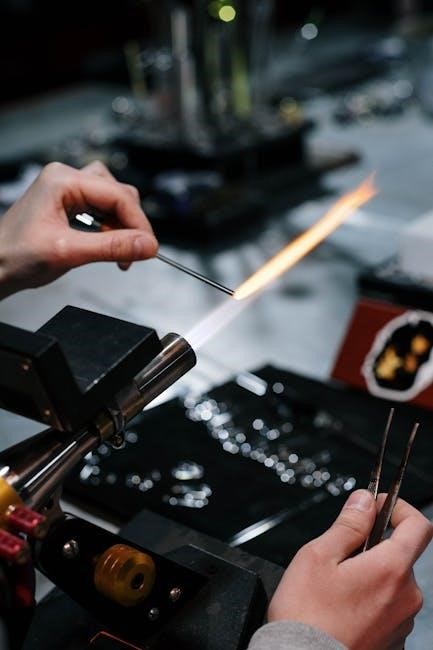
To inspect the spark plug, carefully remove it from the engine using a spark plug wrench․ Examine the electrode for carbon buildup, wear, or damage․ Clean a lightly fouled plug with a wire brush․ Replace the spark plug if it’s heavily fouled, worn, or cracked․
When installing a new spark plug, ensure it’s properly gapped according to the manufacturer’s specifications (refer to your owner’s manual)․ Tighten the spark plug securely, but avoid over-tightening․ Proper spark plug maintenance ensures efficient combustion and extends engine life․

Troubleshooting Common Issues
Diagnose problems quickly! This section covers solutions for engine starting failures, uneven cutting, and excessive vibration, ensuring smooth lawn care operation․
Engine Won’t Start
Troubleshooting a non-starting engine requires a systematic approach․ First, ensure the fuel tank contains fresh gasoline and the fuel shut-off valve is open․ Check the spark plug wire connection – it must be securely attached․ A faulty spark plug is a common culprit; remove it, inspect for fouling, and replace if necessary․
Next, verify the presence of spark by testing the spark plug․ If no spark is present, examine the ignition coil․ Also, confirm the safety interlock switches (operator presence control and blade engagement) are functioning correctly; these prevent starting if not engaged properly․
Low oil levels can also prevent starting – check the oil dipstick and add oil if needed․ Finally, a clogged air filter can restrict airflow, hindering starting․ Clean or replace the air filter as needed․ If these steps don’t resolve the issue, professional service may be required․
Uneven Cut
An uneven cut often indicates blade issues․ Begin by inspecting the blade for dullness, damage (nicks, bends), or improper installation․ A dull blade tears grass instead of cutting cleanly, resulting in a ragged appearance․ Sharpen or replace the blade as needed, ensuring it’s correctly balanced to prevent excessive vibration․
Check the deck level – an uneven deck will cause an uneven cut․ Adjust the deck height settings to ensure all four wheels are at the same level․ Also, verify the tire pressure is consistent across all tires․ Grass buildup under the deck can also contribute to an uneven cut; thoroughly clean the underside of the deck․
Finally, mowing speed impacts cut quality․ Avoid mowing too quickly, allowing the blade sufficient time to cut each blade of grass․ Overlapping each mowing pass slightly can also improve the overall finish․
Excessive Vibration
Significant vibration signals a potential problem requiring immediate attention․ First, inspect the blade for damage – bends or significant nicks will cause imbalance and vibration․ Ensure the blade is securely fastened with the correct hardware and properly balanced after sharpening or replacement․ A loose blade is a serious safety hazard․
Check the engine mounting bolts; loose bolts allow excessive movement․ Tighten them to the manufacturer’s specified torque․ Inspect the deck for any damage or loose components․ Also, verify that all handles and controls are securely attached․
Worn or damaged engine components, like a failing bearing, can also cause vibration․ If the issue persists after checking these areas, professional servicing is recommended to diagnose and address internal engine problems․
Parts Diagram and Replacement
Locate detailed diagrams to identify components․ Easily order replacements using part numbers, ensuring your Craftsman M110 remains in peak operating condition․
Locating Parts Diagrams
Accessing comprehensive parts diagrams for your Craftsman M110 lawn mower is crucial for both maintenance and repair․ Several resources are available to help you pinpoint the exact component you need․ The Craftsman website itself often hosts downloadable PDF diagrams, categorized by model number – ensure you have your M110’s specific model number handy for accurate results․
Alternatively, numerous online parts retailers specializing in lawn mower components provide interactive parts diagrams․ These diagrams allow you to click on individual parts to view their corresponding part numbers and availability․ Websites dedicated to small engine repair frequently feature exploded views of the M110, showcasing every nut, bolt, and assembly․
When using diagrams, pay close attention to revision dates, as manufacturers occasionally update designs․ Cross-referencing multiple sources can confirm you’re viewing the correct diagram for your specific year of manufacture․ Detailed diagrams simplify identifying and ordering the correct replacement parts, saving time and frustration․
Ordering Replacement Parts
Securing replacement parts for your Craftsman M110 is straightforward with several convenient options․ The official Craftsman website is a primary source, allowing direct ordering with guaranteed compatibility․ Many online retailers specializing in lawn mower parts also stock a wide range of components for the M110, often at competitive prices․
When ordering, always have your M110’s model number and the specific part number readily available․ This ensures you receive the correct component․ Double-check compatibility before finalizing your purchase․ Local hardware stores and small engine repair shops can also source parts, offering personalized assistance․
Consider shipping costs and estimated delivery times when comparing retailers․ Some offer expedited shipping for urgent repairs․ Keep a record of your order details, including the part number, date of purchase, and retailer information, for warranty purposes or future reference․
Understanding Part Numbers
Craftsman M110 part numbers are crucial for accurate ordering and ensuring compatibility․ These alphanumeric codes uniquely identify each component, preventing errors and guaranteeing the correct replacement․ Typically, a Craftsman part number consists of several digits and sometimes letters, indicating specific characteristics of the part․
Decoding these numbers isn’t always intuitive, but referencing the parts diagram (see section Locating Parts Diagrams) is essential․ The diagram links each part to its corresponding number․ Online parts retailers often have search functions utilizing these numbers․
Always verify the part number against your mower’s model․ Slight variations in model numbers can mean incompatible parts․ When in doubt, consult the Craftsman website or a qualified service technician to confirm the correct part number before placing an order․ Accurate part numbers save time and prevent frustrating returns․
Warranty Information
Your Craftsman M110 lawn mower is backed by a manufacturer’s warranty, protecting against defects in materials and workmanship․ The standard warranty period typically begins on the date of purchase․ Please retain your original purchase receipt as proof of purchase; it’s essential for any warranty claims․
Warranty coverage generally includes defects arising from normal use․ However, it does not cover damage resulting from misuse, accidents, improper maintenance, or unauthorized repairs․ Always follow the maintenance schedule outlined in this manual to maintain warranty validity․
To initiate a warranty claim, contact Craftsman customer support or visit their website․ Be prepared to provide your model number, serial number, and a detailed description of the issue․ Warranty service may require returning the mower or specific parts for inspection and repair․